
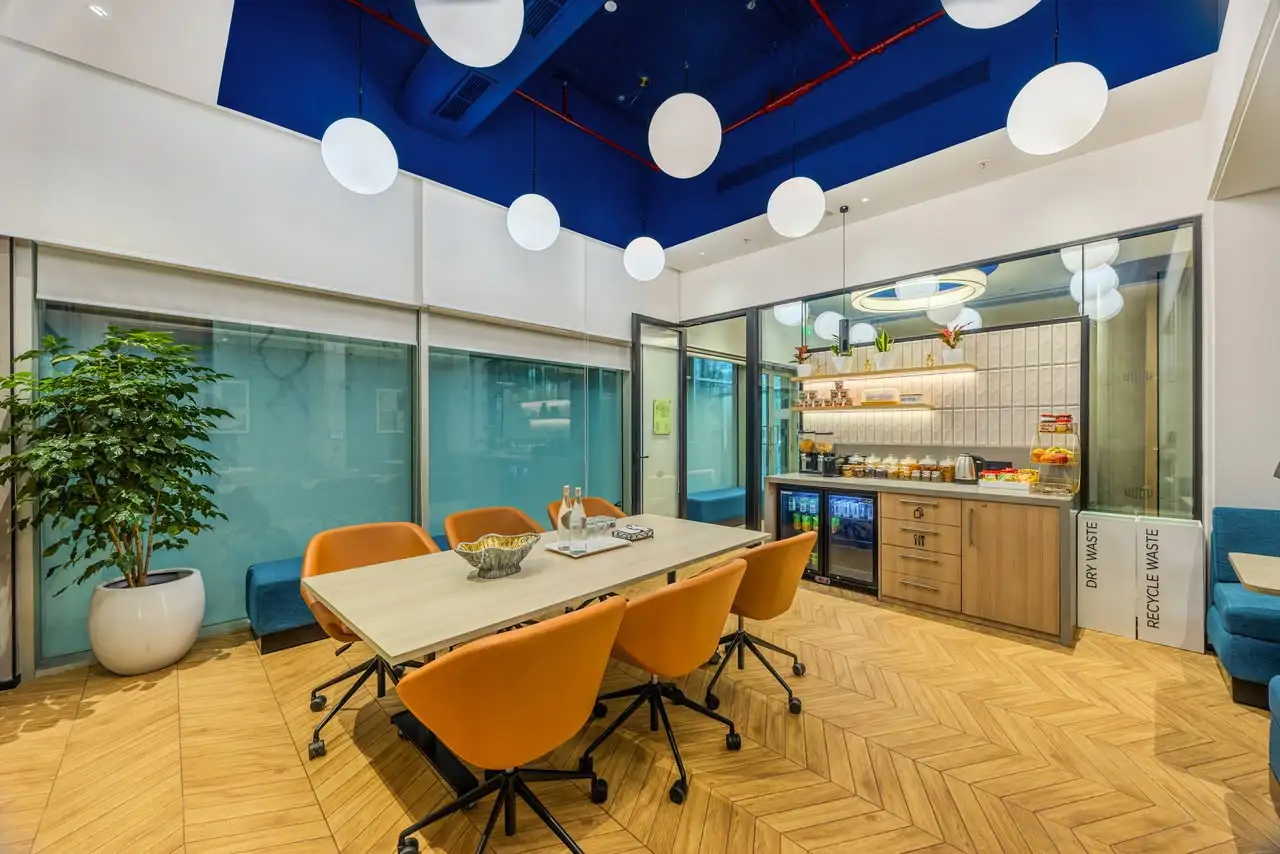
Describe the job the images will do
Start with the audience and the reason for the project. Launching a property, explaining a workplace and introducing a founder are different jobs, even if all three involve a camera.
Tell us what viewers need to understand or notice. That purpose helps decide what to photograph, what to film and how the material should be edited.
Make the deliverables concrete
List the assets you need rather than asking for general coverage. If the list is still open, explain the channels you use and ask for help defining it.
- Photography: the subjects, essential views and intended formats.
- Film: the story, speakers, approximate duration and shorter edits.
- Delivery: file formats, aspect ratios and any platform specifications.
- Usage: where the work will appear and who needs to use it.
Use references to explain decisions
A few references with notes are more helpful than a large folder without context. Say whether you are responding to the lighting, camera position, pacing or color, and point out what should be different in your project.
Include existing brand material if it affects the look of the work. References should guide the conversation, not create an expectation that someone else’s photographs will be reproduced.
Name the practical constraints
Include the location, preferred shoot window, budget range, deadline and approval contact. Mention access restrictions, live operations, talent availability and anything confidential that must stay out of the frame.
If a decision is unresolved, mark it as open. A production plan is easier to build around a known uncertainty than around a deadline or deliverable that appears after the shoot.